


By using our website, you agree to the use of cookies as described in our Cookie Policy
How Telehealth Psychiatry Makes Ongoing Mental Health Care Easier
Most people think mental health care is just about showing up and talking. But staying consistent? That's where the system breaks down. Between scheduling conflicts, long commutes, and the sheer weight of walking into a clinic, ongoing care becomes a grind. Telehealth psychiatry flips that script. It strips away the friction and puts the focus back where it belongs — on getting better, not just getting there.
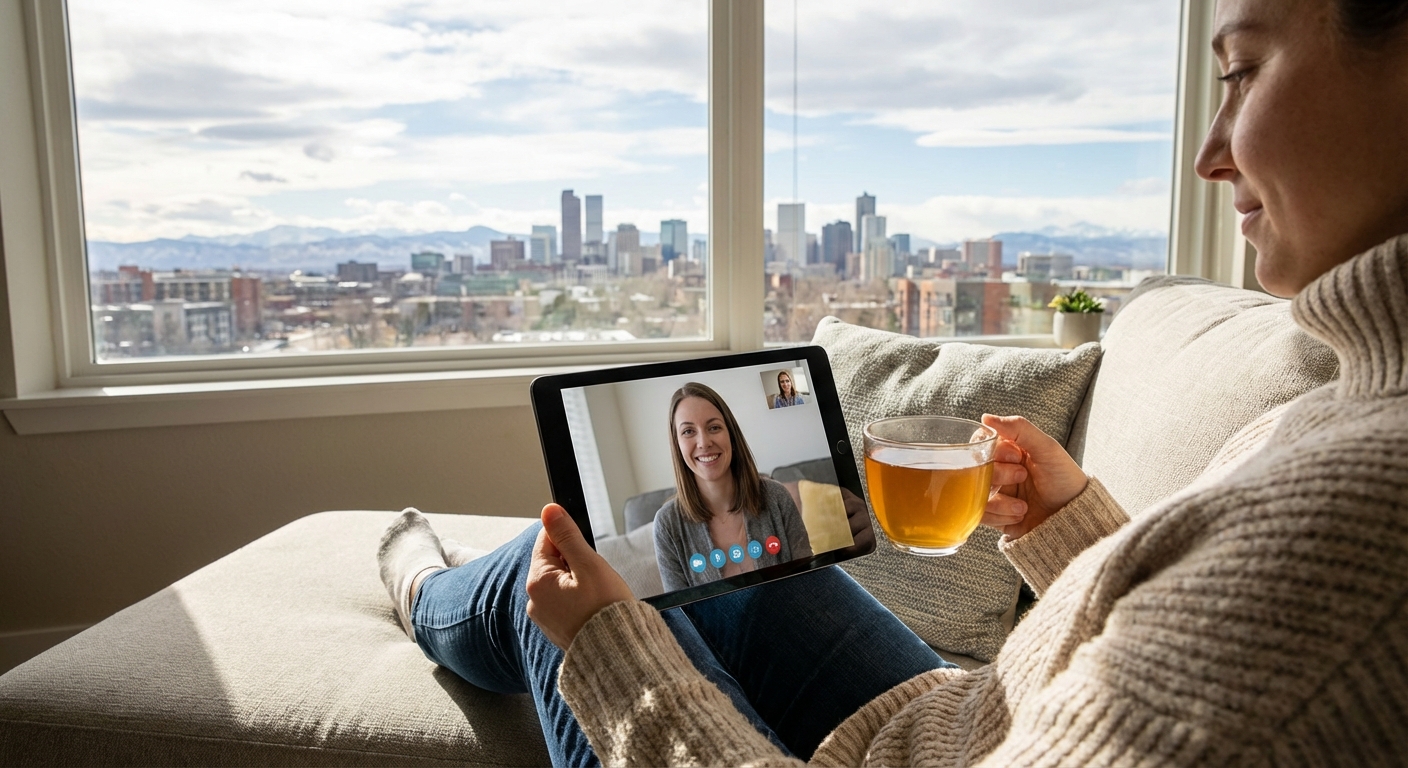
Virtual psychiatry isn't a workaround. It's a rebuild. And if you're serious about maintaining your mental health without the logistical nightmare, it's worth understanding how this shift actually works — and why it matters more than you think.
Distance Stops Being an Excuse
Living an hour from the nearest psychiatrist used to mean you either drove or went without. Rural areas, small towns, underserved neighborhoods — they all got the short end. Telehealth wipes that barrier off the map. You don't need to be near a major metro to access quality quality care. You just need a connection and a quiet room.
That accessibility isn't just convenient. It's life-changing for people who've been stuck in limbo, waiting months for an opening or burning gas they can't afford. Now the care comes to them. And when geography stops dictating your options, consistency becomes possible.
Scheduling Becomes Less of a Battle
Fitting therapy into a packed week is hard enough. Add in commute time, parking, waiting rooms, and the mental load of leaving work early, and it's no wonder people fall off. Telehealth cuts that down to the appointment itself. No travel. No buffer time. Just log in and start.
Providers offering evening or weekend slots make it even easier. You're not forced to choose between your job and your mental health. And when the friction drops, so does the excuse not to show up. That's how ongoing care actually sticks.
Privacy Gets Built In
Walking into a psychiatrist's office can feel exposing. Even if no one knows why you're there, the act itself carries weight. Telehealth removes that layer. You're in your own space. No waiting room. No chance of running into someone you know. Just you and your provider.
For people who've avoided care because of stigma or anxiety, that privacy matters. It lowers the threshold. And when the barrier to entry drops, more people get the help they've been putting off. That's not a small thing.
Continuity Doesn't Break When Life Does
Life doesn't pause for mental health appointments. You move. You travel. You get sick. You deal with emergencies. In a traditional setup, those disruptions mean missed sessions and broken momentum. Telehealth keeps the thread intact. Your provider stays the same even when your zip code doesn't.
That continuity is critical for managing chronic conditions like depression, anxiety, or bipolar disorder. Gaps in care lead to setbacks. Telehealth closes those gaps and keeps treatment on track, even when everything else feels chaotic.
Specialist Access Opens Up
Not every psychiatrist handles every issue. Trauma, addiction, eating disorders, pediatric care — these require specific expertise. In many areas, finding that specialist means waiting months or settling for someone who's "close enough." Telehealth expands the pool. You're no longer limited to who's nearby.
That means better matches. Better outcomes. And a higher chance that the care you're getting is actually tailored to what you're dealing with. When the right provider is just a video call away, you stop compromising on quality.
Family Can Join Without the Logistics
Sometimes the people around you need to be part of the conversation. Parents, partners, caregivers — they play a role in treatment, especially for kids or older adults. Telehealth makes it easy for them to participate, even if they're in a different city or working from home.
That involvement strengthens the support system. It improves communication. And it gives providers a fuller picture of what's happening outside the session. When everyone's on the same page, treatment moves faster and sticks better.

Medication Adjustments Happen Faster
Managing psychiatric meds isn't a set-it-and-forget-it process. Dosages shift. Side effects pop up. New symptoms emerge. Telehealth makes it easier to check in without scheduling a full in-person visit weeks out. Quick adjustments happen in real time, and prescriptions get sent electronically to your pharmacy.
That speed matters. Waiting too long for a med tweak can derail progress or make symptoms worse. Telehealth keeps the feedback loop tight, so you're not stuck in limbo while your provider's calendar fills up.
Digital Tools Keep You Engaged Between Sessions
Telehealth platforms often come with extras — secure messaging, mood trackers, journaling prompts, appointment reminders. These aren't gimmicks. They're tools that keep you connected to your care even when you're not in a session. You can flag concerns as they come up, track patterns, and share data that helps your provider make smarter decisions.
That ongoing engagement shifts the dynamic. You're not just showing up once a week and hoping for the best. You're actively participating in your own treatment, and that makes a difference in how well it works.
The Tech Isn't Perfect, But It's Getting There
Telehealth isn't without hiccups. Internet drops. Audio lag. Platform glitches. But those issues are shrinking as the tech improves. And for most people, the trade-off is worth it. A few technical bumps don't outweigh the ability to access care from anywhere, on your schedule, without the logistical mess.
Providers are also getting better at making virtual sessions feel personal. The screen doesn't have to be a barrier. When the connection is strong — both literally and figuratively, telehealth can be just as effective as sitting in the same room.
What This Means for Long-Term Care
Ongoing mental health care isn't about one breakthrough session. It's about showing up consistently, adjusting as you go, and building momentum over time. Telehealth makes that easier by removing the obstacles that used to derail people. No commute. No waiting rooms. No geographic limits. Just access, flexibility, and the ability to stay on track even when life gets messy.
If you've been putting off care because it felt too hard to maintain, telehealth might be the shift that makes it stick. The barriers are lower. The tools are better. And the care is just as real — even if it's happening through a screen. Organizations like Over the Rainbow Project offer behavioral health services that include individual sessions, and case management to support your journey. You can easily book an appointment and access the comprehensive services you need to maintain your mental wellness.
Let’s Make Mental Health Care Work for You
We believe everyone deserves support that fits their life, not the other way around. If you’re ready to experience the difference telehealth psychiatry can make, let’s take the next step together. Call us at 720-580-2696 to talk with our team, or book an appointment and let’s get you started on a path to better mental health—on your terms.
‹ Back
Recent Posts
-
-
-
-

Can Recovery Coaching in Denver Help You Stay on Track?
April 17, 2026
-

Is Outpatient Rehab in Denver the Right Fit for You?
April 3, 2026