

By using our website, you agree to the use of cookies as described in our Cookie Policy
How Life Skills Training Helps People Build Independence
Most people think independence is something you just figure out along the way. Trial and error. Sink or swim. But real autonomy doesn't come from stumbling through adulthood—it comes from knowing how to handle what life throws at you. Life skills training isn't about memorizing formulas or passing tests. It's about building the toolkit you need to run your own life without constantly looking over your shoulder for help.

So here's what matters. If you're learning to manage money, communicate clearly, and solve problems on your feet, you're not just checking boxes. You're laying groundwork. Every skill you master is one less thing you need someone else to do for you. And every decision you make with confidence is proof you're ready to stand on your own.
What Life Skills Actually Cover
Life skills training isn't one-size-fits-all. It's a collection of practical abilities that don't always show up in classrooms but show up everywhere else. We're talking about the stuff that keeps your world running—budgeting, cooking, scheduling, communicating, problem-solving. These aren't extras. They're essentials.
Programs can happen in schools, community centers, rehab facilities, or even your own kitchen. The setting changes, but the goal stays the same. Teach people how to function without a safety net. And when that training sticks, independence follows.
Confidence Grows When Competence Shows Up
There's a direct line between knowing how to do something and believing you can handle what comes next. When you learn to cook a meal, balance a checkbook, or organize your week, you're not just completing tasks. You're proving to yourself that you're capable.
That proof matters. It's what pushes young adults out of their parents' homes with their heads up. It's what helps people recovering from setbacks rebuild their sense of self. Mastering life skills doesn't just make you functional—it makes you fearless.
Decision-Making Gets Sharper Under Pressure
Life doesn't wait for you to be ready. Conflicts arise. Emergencies hit. Choices need to be made, and they need to be made now. Life skills training teaches you how to assess a situation, weigh your options, and move forward with clarity.
Whether you're navigating a disagreement with a roommate, choosing between job offers, or handling an unexpected expense, the ability to think critically and act decis decisively is what separates dependence from independence. Practice those skills in a controlled environment, and you'll be ready when the stakes are real.
Financial Literacy Unlocks Freedom
You can't be independent if you can't manage your money. Period. Life skills training drills down on budgeting, saving, and understanding how credit works. These aren't abstract concepts—they're survival tools.
Learning to create a budget and stick to it is often the first real taste of financial control. It's the difference between living paycheck to paycheck and planning for the future. When you understand where your money goes and how to make it work for you, you stop relying on others to bail you out. That's freedom.
Communication Skills Open Doors
Independence isn't just about doing things alone. It's about knowing how to connect, advocate, and collaborate when you need to. Life skills training sharpens your ability to listen, speak up, and empathize.
These abilities matter everywhere—at work, in your community, with your family. When you can communicate effectively, you can resolve conflicts, build relationships, and ask for help without losing your sense of agency. That's not weakness. That's strategy.
Self-Care Keeps You Running
Independence falls apart if you can't take care of yourself. Life skills training covers the basics—nutrition, exercise, stress management, hygiene. These aren't luxuries. They're maintenance.
When you know how to prioritize your physical and mental health, you're not just surviving. You're thriving. And that means you're not burning out, breaking down, or depending on someone else to pick up the pieces. You're in control of your well-being, and that's the foundation everything else is built on.
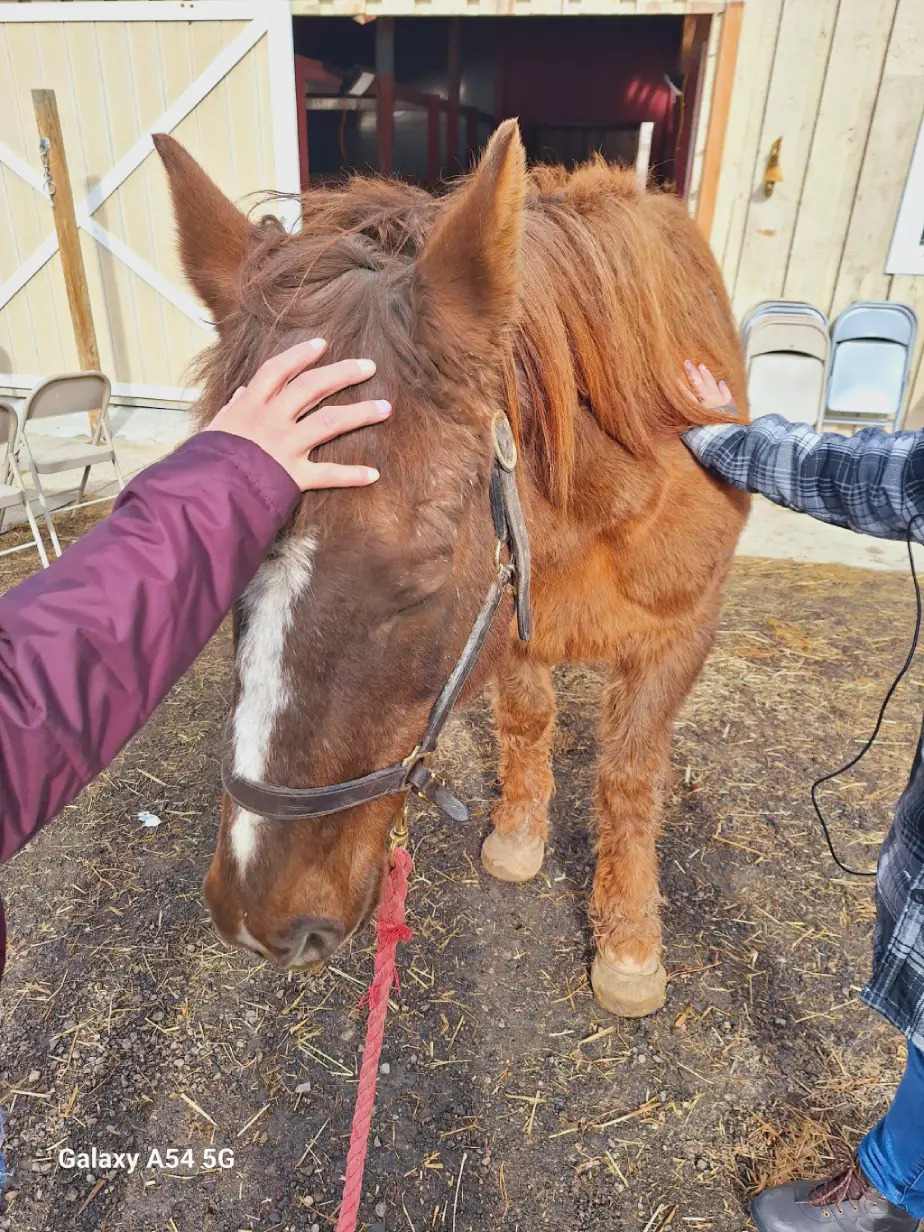
Tailored Programs Reach Those Who Need Them Most
Life skills training isn't just for one group. It's for anyone facing barriers to independence—people with disabilities, individuals in recovery, youth aging out of foster care. Customized programs address specific challenges and provide targeted support.
When training meets people where they are, it doesn't just teach skills. It restores agency. It rebuilds self-worth. And it proves that independence is possible, no matter where you're starting from.
Skills Translate Into Action
Here's what life skills training delivers when it's done right:
- Practical knowledge you can use immediately in daily situations
- Confidence to tackle new challenges without second-guessing yourself
- Financial control that reduces reliance on external support
- Communication abilities that strengthen relationships and self-advocacy
- Self-care habits that sustain long-term well-being
Where Training Makes the Biggest Impact
Certain areas of life skills training consistently produce measurable results. Focus on these, and independence becomes more than a goal—it becomes a reality:
- Budgeting and financial planning for immediate and future stability
- Meal preparation and nutrition for health and cost savings
- Time management and organization for productivity and balance
- Conflict resolution and interpersonal skills for healthier relationships
- Job readiness and career planning for economic self-sufficiency
Common Gaps That Hold People Back
Even with good intentions, some people miss critical pieces of the independence puzzle. Here's where we see the most common slip-ups:
- Skipping financial literacy and assuming money management will just click
- Ignoring self-care until burnout forces the issue
- Avoiding difficult conversations instead of learning to communicate effectively
- Relying on others for basic tasks instead of building competence
- Failing to practice decision-making in low-stakes environments
Who Benefits Most From Structured Training
Life skills training works for everyone, but certain groups see transformative results. These populations often face unique obstacles that targeted programs can address:
- Young adults transitioning out of foster care or family homes
- Individuals with developmental or physical disabilities seeking greater autonomy
- People in recovery building new routines and healthy habits
- Veterans adjusting to civilian life after military service
- Anyone facing major life transitions who needs a reset
What to Look for in a Quality Program
Not all life skills training is created equal. If you're evaluating a program—for yourself or someone else—here's what separates the effective from the ineffective:
- Hands-on practice, not just lectures or worksheets
- Customization based on individual needs and starting points
- Ongoing support and follow-up, not just a one-time session
- Real-world application with measurable outcomes
- Qualified instructors who understand the populations they serve
Independence Isn't Accidental
Building independence takes intention. It takes practice. And it takes the right skills at the right time. Life skills training doesn't hand you a shortcut—it hands you a map. One that shows you how to navigate money, relationships, health, and decision-making without constantly needing backup.
We've seen what happens when people get the training they need. They stop waiting for permission. They stop second-guessing every move. And they start living like they're in charge—because they are. That's not luck. That's preparation meeting opportunity, and it's available to anyone willing to put in the work.
Ready to Build Real Independence?
We know that taking the first step toward greater independence can feel overwhelming, but you don’t have to do it alone. Let’s work together to build the skills that make life easier and more rewarding. If you’re ready to start, give us a call at 720-580-2696 or book an appointment and let’s move forward, one skill at a time.
‹ Back
Recent Posts
-
-
-

-

Can Recovery Coaching in Denver Help You Stay on Track?
April 17, 2026
-

Is Outpatient Rehab in Denver the Right Fit for You?
April 3, 2026