


By using our website, you agree to the use of cookies as described in our Cookie Policy
When Should You Consider Telehealth Psychiatry in Denver?
Most people think mental health care is about showing up to an office. Sitting in a waiting room. Filling out forms. But the reality is, access matters more than location — and if you're not getting help because of logistics, you're stuck for the wrong reasons. Telehealth psychiatry isn't a workaround. It's a legitimate path to treatment, especially in a city like Denver where schedules collide with traffic and weather throws curveballs weekly.
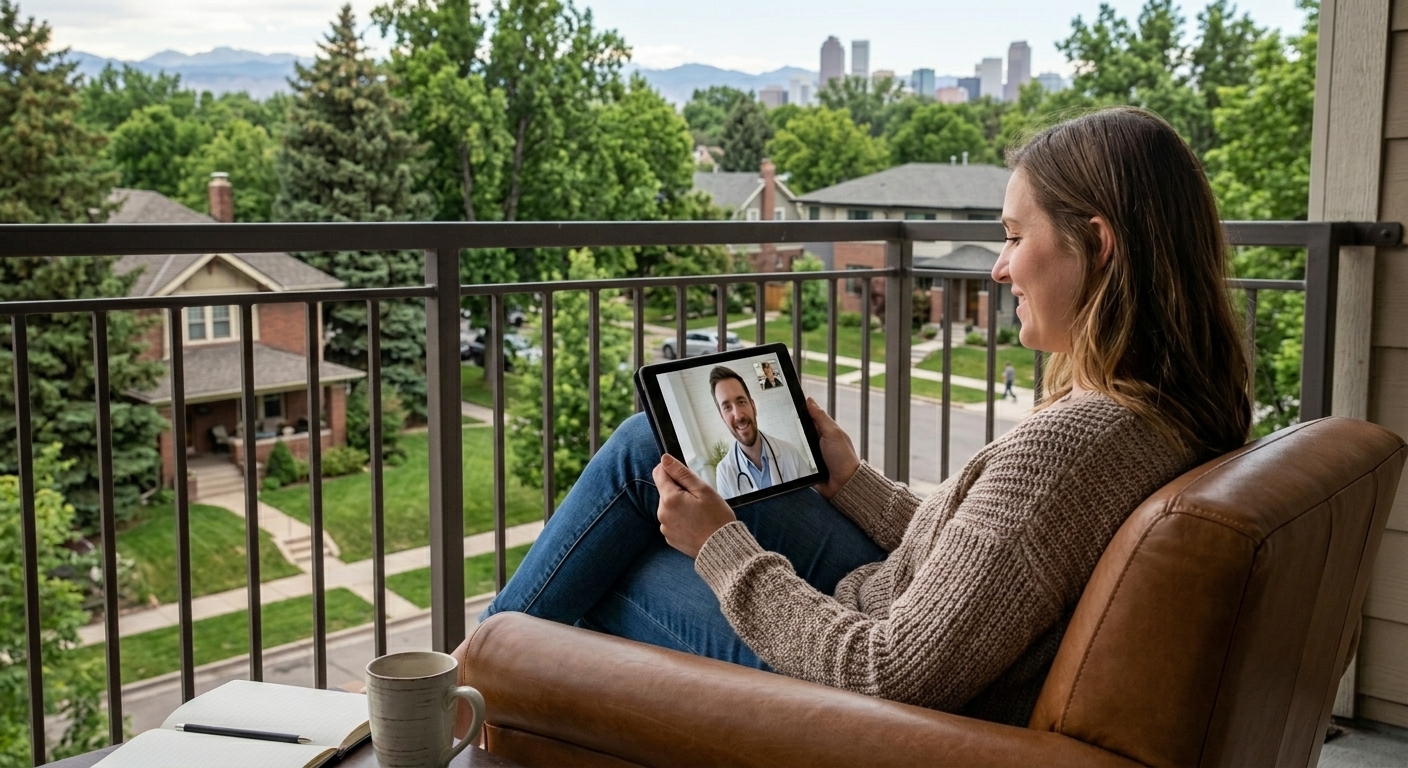
So here's the truth. If you need psychiatric care but can't make traditional appointments work, virtual sessions might be the answer. Just don't assume it's a lesser option. Every session should be taken seriously. Every provider needs proper credentials. And every decision about your mental health should be grounded in what works for your life — not just what looks convenient on paper.
Virtual Care That Actually Holds Up
Telepsychiatry connects you with licensed professionals through secure video platforms. You're not talking to a chatbot or reading generic advice. You're meeting with a real psychiatrist who can assess symptoms, adjust medications, and provide therapy — all from wherever you happen to be. The technology is regulated. Privacy is protected. And the care itself? It's as legitimate as anything you'd get in a brick-and-mortar office.
But it's not a free-for-all. Providers must be licensed in Colorado. Platforms must comply with HIPAA standards. And you still need to show up prepared, just like you would for an in-person visit. The medium changes. The expectations don't.
When Virtual Sessions Make the Most Sense
There are clear scenarios where telehealth psychiatry isn't just convenient — it's the smarter move. If any of these apply to you, it's worth exploring virtual care seriously.
- Your calendar is packed and commuting to appointments eats up time you don't have
- Denver traffic or parking makes getting to a clinic more stressful than the session itself
- You have mobility issues or chronic conditions that make travel difficult
- You live in a neighborhood where mental health specialists are scarce
- You feel more comfortable discussing sensitive topics from your own space
Who This Works For
Telehealth psychiatry covers a wide range of conditions. Depression, anxiety, ADHD, PTSD, OCD — these are all treatable through virtual sessions. Medication management works just as well remotely as it does in person, provided you're honest about symptoms and side effects. Follow-ups are easier to schedule. Adjustments happen faster. And continuity of care doesn't get interrupted just because you're traveling or your schedule shifts.
That said, not everyone is a fit. If you're in crisis — actively suicidal, experiencing psychosis, or needing inpatient stabilization — telehealth won't cut it. You need immediate, in-person intervention. Virtual care is powerful, but it has limits. Know where those lines are before you commit.
Conditions That Respond Well to Virtual Treatment
Here's what telehealth psychiatry handles effectively, assuming you're stable enough for outpatient care.
- Persistent depression or mood disorders
- Generalized anxiety or panic attacks
- Attention deficit issues requiring medication oversight
- Trauma responses and PTSD symptoms
- Obsessive-compulsive patterns disrupting daily life
Getting Started Without the Guesswork
Finding a telehealth provider in Denver isn't complicated, but it does require some homework. Look for practices that explicitly offer virtual psychiatry. Confirm the provider is licensed in Colorado — out-of-state licenses don't count. Check that their platform is secure and meets federal privacy standards. Most reputable clinics will walk you through setup, but you're responsible for having a quiet space, stable internet, and a device that works.
Before your first session, gather your medical history. List current medications. Write down symptoms or concerns you want to address. Treat it like any other appointment — because it is one. The fact that you're not driving across town doesn't mean you should show up unprepared.
What You Need to Make It Work
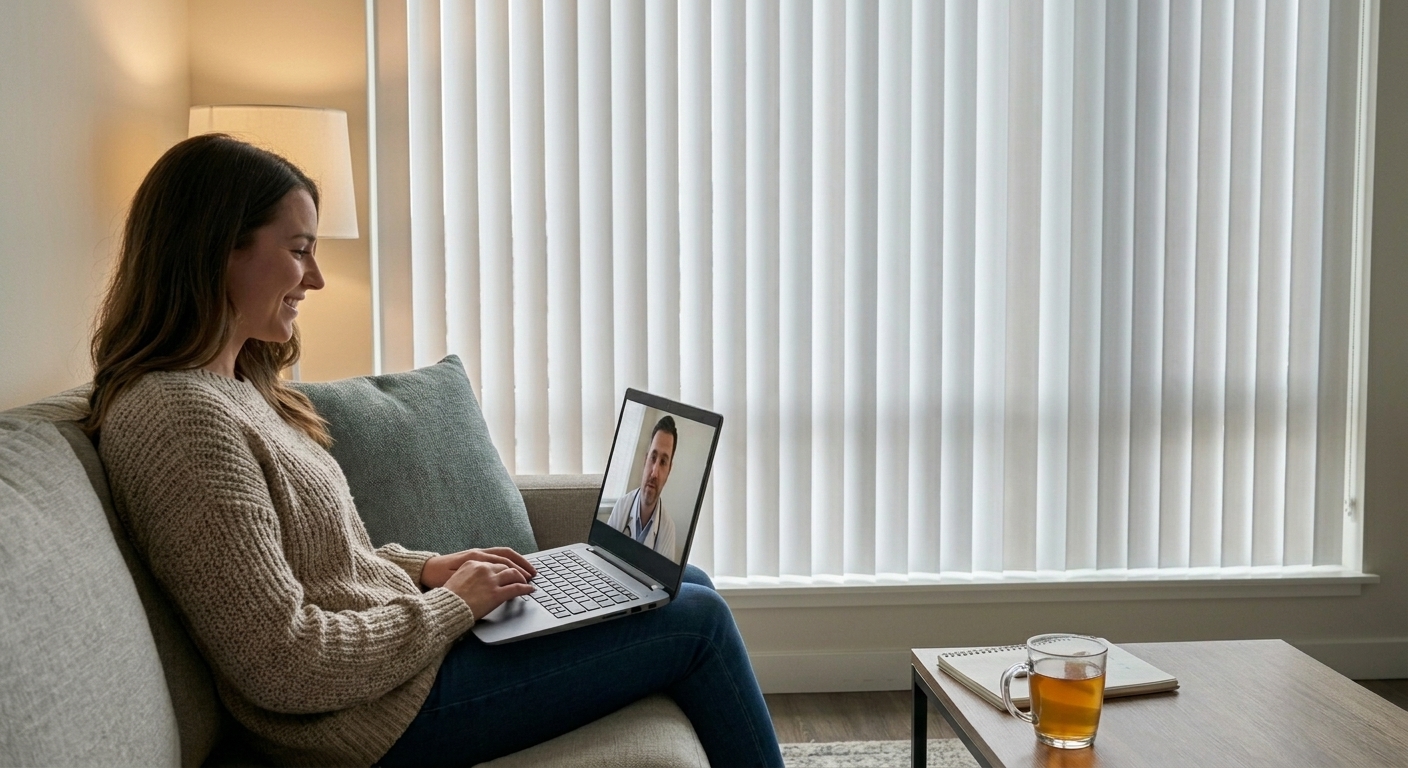
Virtual care only works if you set yourself up for success. That means more than just logging in on time.
- A private space where you won't be interrupted or overheard
- Reliable internet that won't drop mid-session
- A working camera and microphone on your device
- Your medication list and any relevant medical records handy
- A plan for what you want to accomplish during the session
When In-Person Care Is Non-Negotiable
Telehealth has its place, but it's not a cure-all. If you're in acute distress, virtual sessions won't provide the level of intervention you need. Active suicidal thoughts, severe psychotic episodes, or situations requiring hospitalization demand immediate, face-to-face care. Don't try to force telehealth into a scenario where it doesn't belong. The goal is effective treatment, not convenience at all costs.
Why Logistics Shouldn't Dictate Your Mental Health
Too many people in Denver skip psychiatric care because getting to appointments feels impossible. Traffic is brutal. Parking is a nightmare. Schedules don't align. But those are logistics problems, not mental health problems. Telehealth removes those barriers without compromising the quality of care. You still get a licensed professional. You still get real treatment. You just don't have to fight your way through I-25 to make it happen.
The Barriers That Disappear with Virtual Care
Here's what telehealth psychiatry eliminates, making treatment more accessible for people who need it.
- Commute time that eats into your workday or personal life
- Childcare conflicts that make scheduling nearly impossible
- Weather conditions that turn a simple appointment into a risky trip
- Stigma or discomfort associated with walking into a mental health clinic
- Geographic limitations if you live outside Denver's core neighborhoods
Care That Follows You Wherever You Go
One of the biggest advantages of telehealth psychiatry is continuity. If you travel for work, split time between locations, or just have an unpredictable schedule, virtual sessions keep your treatment on track. You don't have to pause care because you're out of town. You don't have to start over with a new provider every time you move. Your psychiatrist stays consistent, and so does your progress.
Making the Call That Moves You Forward
Telehealth psychiatry isn't a compromise. It's a legitimate, effective way to access mental health care in Denver — especially when traditional appointments don't fit your life. The sessions are real. The providers are licensed. And the results are just as strong as anything you'd get in person. But only if you take it seriously. Show up prepared. Be honest about your symptoms. And don't let logistics keep you from getting the help you need. Organizations like Over the Rainbow Project offer behavioral health services that include individual therapy sessions, case management support, and intensive outpatient programs designed to meet you where you are. The barriers are gone. What you do next is up to you.
Let’s Take the Next Step Together
Your mental health deserves attention, no matter how busy life in Denver gets. If you’re ready to make care more accessible and fit treatment into your real schedule, we’re here to help you move forward. Call us at 720-580-2696 to talk with our team, or book an appointment and let’s start building a plan that works for you.
‹ Back
Recent Posts
-

-
-
-

Can Recovery Coaching in Denver Help You Stay on Track?
April 17, 2026
-

Is Outpatient Rehab in Denver the Right Fit for You?
April 3, 2026