

By using our website, you agree to the use of cookies as described in our Cookie Policy
Can Job Readiness Programs in Denver Help After Rehab?
Getting through rehab is just the starting gun. The real marathon begins when you walk out those doors and try to rebuild a life that works. For most people coming out of treatment in Denver, that means finding a job that sticks. Not just any gig—something stable enough to pay rent, structured enough to keep your days full, and meaningful enough to remind you why you got sober in the first place.

Job readiness programs aren't charity. They're infrastructure. And if you're wondering whether they actually move the needle after rehab, the answer depends on how serious you are about showing up and doing the work. Because no program hands you a career—they hand you the tools. What you build with them is on you.
Why Employment Matters More Than You Think
A paycheck matters. But that's not the whole story. Work gives you rhythm. It gives you somewhere to be at eight in the morning when your brain is telling you to stay in bed. It gives you coworkers who don't know your history and a boss who measures you by what you produce today, not what you did three years ago.
We've seen it play out over and over—people who land stable work early in recovery tend to stay in recovery. They build routines. They rebuild confidence. They stop obsessing over what they lost and start focusing on what they're creating. But getting hired when you've got gaps in your resume, a record, or zero recent references? That's where most people stall out. And that's exactly where job readiness programs step in.
What These Programs Actually Do
Job readiness isn't about handing you a uniform and shoving you into a warehouse. It's about preparing you to compete. That means teaching you how to talk about your background without sounding defensive. How to write a resume that highlights skills instead of screaming red flags. How to walk into an interview and make someone believe you're worth the risk.
Denver programs don't treat recovery like a liability—they treat it like context. They know you're rebuilding, and they structure their services around that reality. Most offer training in hard skills like computer literacy or customer service, plus soft skills like showing up on time and handling workplace stress without falling apart. And a lot of them have direct pipelines to employers who actually hire people in recovery, which cuts out months of cold applications and rejection emails.
The Services That Make the Difference
If you're looking at job readiness programs in Denver, here's what the good ones bring to the table:
- Hands-on resume workshops that don't just fix typos—they reframe your story
- Mock interviews with real feedback, so you're not winging it when it counts
- Skills training in fields that are actually hiring—trades, tech, healthcare, hospitality
- Job placement support through employer networks that understand recovery
- Ongoing mentorship so you don't bail the first time work gets hard
Where Denver Shows Up Strong
Denver's got a network. Organizations like Mile High Behavioral Healthcare, Work Options, and DenverWorks aren't just checking boxes—they're building bridges. They work directly with employers who are open to second chances, and they provide substance abuse support that goes beyond the first paycheck.
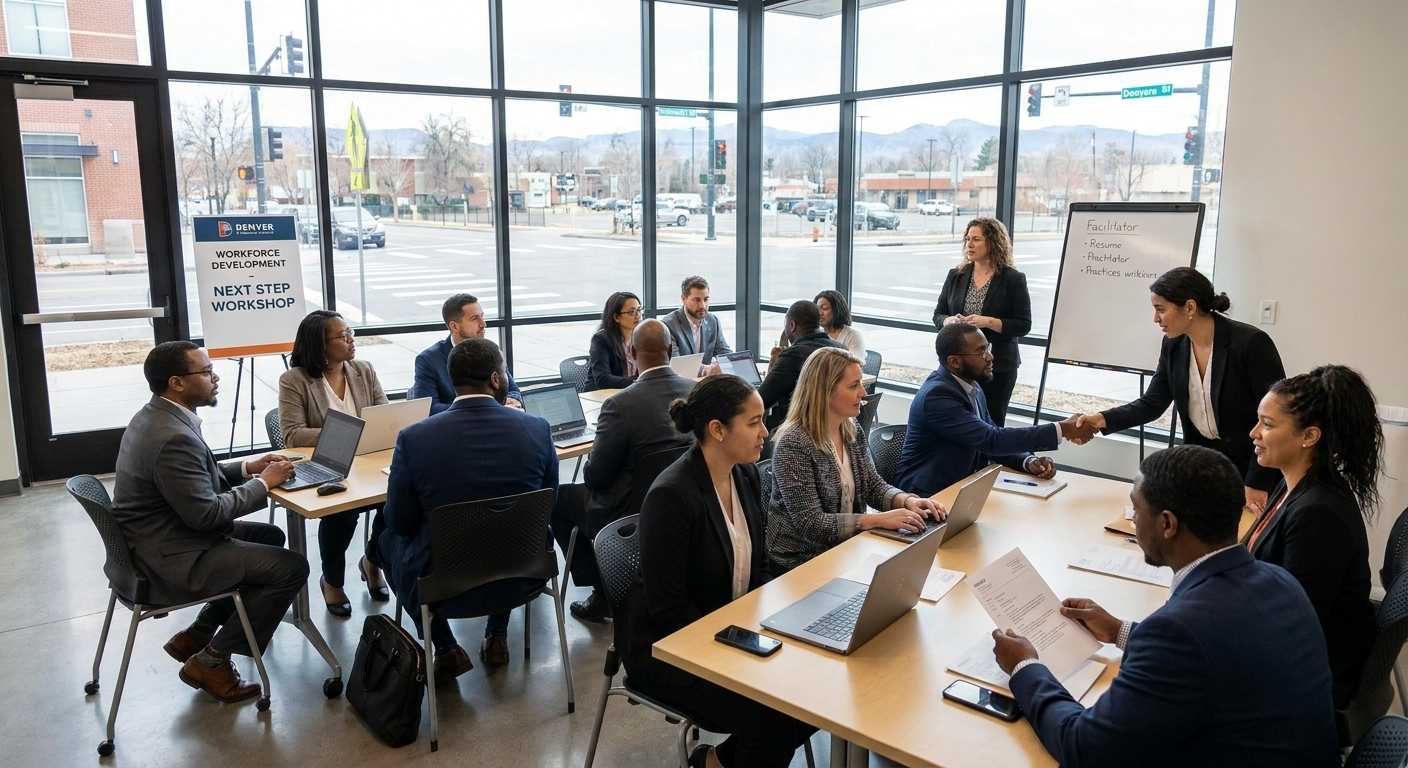
The city's workforce centers also host job fairs, training sessions, and one-on-one career counseling. Most of it's free or low-cost. If you're coming out of treatment and you're serious about getting back to work, the resources are there. But you've got to walk through the door.
What Employers Get Out of It
Hiring someone fresh out of rehab isn't a favor. It's a calculated bet. And when it pays off, employers get someone who's hungry, loyal, and doesn't take stability for granted. We've talked to hiring managers who say their best employees are people in recovery—they show up, they work hard, and they don't burn out on the little stuff.
That's the flip side of this equation. Job readiness programs don't just help individuals—they help businesses tap into a motivated workforce that's often overlooked. When both sides win, the local economy gets stronger. It's not charity. It's smart business.
The Obstacles That Still Exist
Let's not pretend it's easy. Stigma is real. Landlords don't care that you've been sober for six months if your credit's trashed. Employers still ghost applications the second they see a gap or a record. And if you don't have reliable transportation or a phone that works, even the best program can't fix that gap.
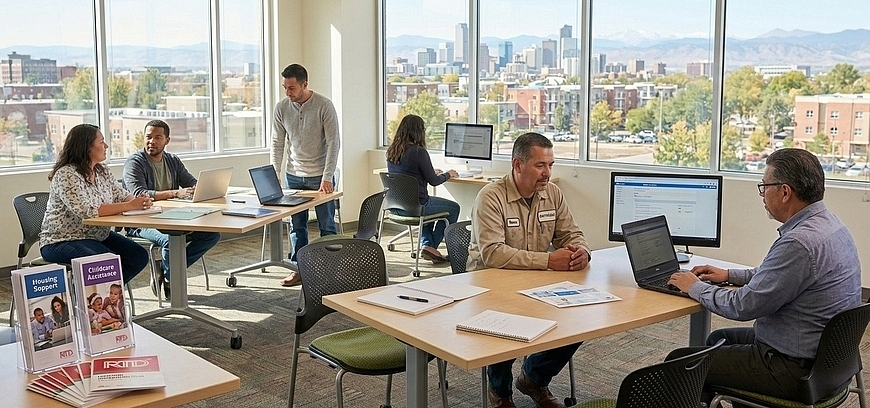
Denver's doing better than most cities at addressing these barriers, but they're still barriers. Housing insecurity, lack of childcare, and limited public transit all make it harder to stay employed. The programs help—but they're not magic. You still need to solve for the basics.
What Success Actually Looks Like
We don't do feel-good stories here. But the data's clear—people who go through structured job readiness and vocational preparation programs after rehab are more likely to stay employed, more likely to stay sober, and more likely to rebuild financial stability. That's not inspiration. That's outcomes.
And from the employer side? They report higher retention and stronger performance from hires who came through these programs. It turns out that when you invest in someone's ability to succeed, they tend to deliver. Shocking, right?
The Real Question You Should Be Asking
Can job readiness programs in Denver help after rehab? Absolutely. But only if you treat them like the resource they are—not a handout, not a guarantee, but a legitimate pathway back into the workforce. The training is there. The connections are there. The support is there.
What's also there is the expectation that you'll show up prepared, take feedback seriously, and put in the work even when it's uncomfortable. Because no program can want your recovery more than you do. But if you're ready you're ready to rebuild, Denver's got the infrastructure to help you do it right.
Next Steps for People Ready to Move Forward
If you're coming out of treatment and you need work, don't wait until desperation kicks in. Reach out to a vocational preparation program while you've still got momentum. Get your resume together. Practice your interview answers. Learn the skills that make you hirable. And lean on the network that's already in place.
Recovery doesn't end when rehab does. It starts there. And the decisions you make in the first 90 days—especially around employment—will determine whether you're still standing a year from now. Denver's built the support system. Now it's your turn to use it.
Let’s Build Your Next Chapter Together
We know how tough it can be to take those first steps after rehab, but you don’t have to do it alone. Together, we can help you find the right job readiness support and set you up for lasting success in Denver. If you’re ready to get started or just want to talk through your options, give us a call at 720-580-2696. When you’re ready to take action, book an appointment and let’s move forward, one step at a time.
‹ Back
Recent Posts
-

Can Job Readiness Programs in Denver Help After Rehab?
November 11, 2026
-

Is Telehealth Psychiatry in Denver Easier for Busy Schedules?
October 28, 2026
-

Can Recovery Coaching in Denver Help After a Relapse?
October 14, 2026
-
-