

By using our website, you agree to the use of cookies as described in our Cookie Policy
Is a BHA Licensed Treatment Center in Denver Important?
Most people think treatment centers are all the same. You walk in, you get help, you walk out. But the state of Colorado sees more than that — and if you don't, you're putting yourself or someone you love at risk. Licensing may not show up on a billboard, but it does leave a footprint on the quality of care you receive. Especially if you're dealing with insurance, safety protocols, or staff credentials.
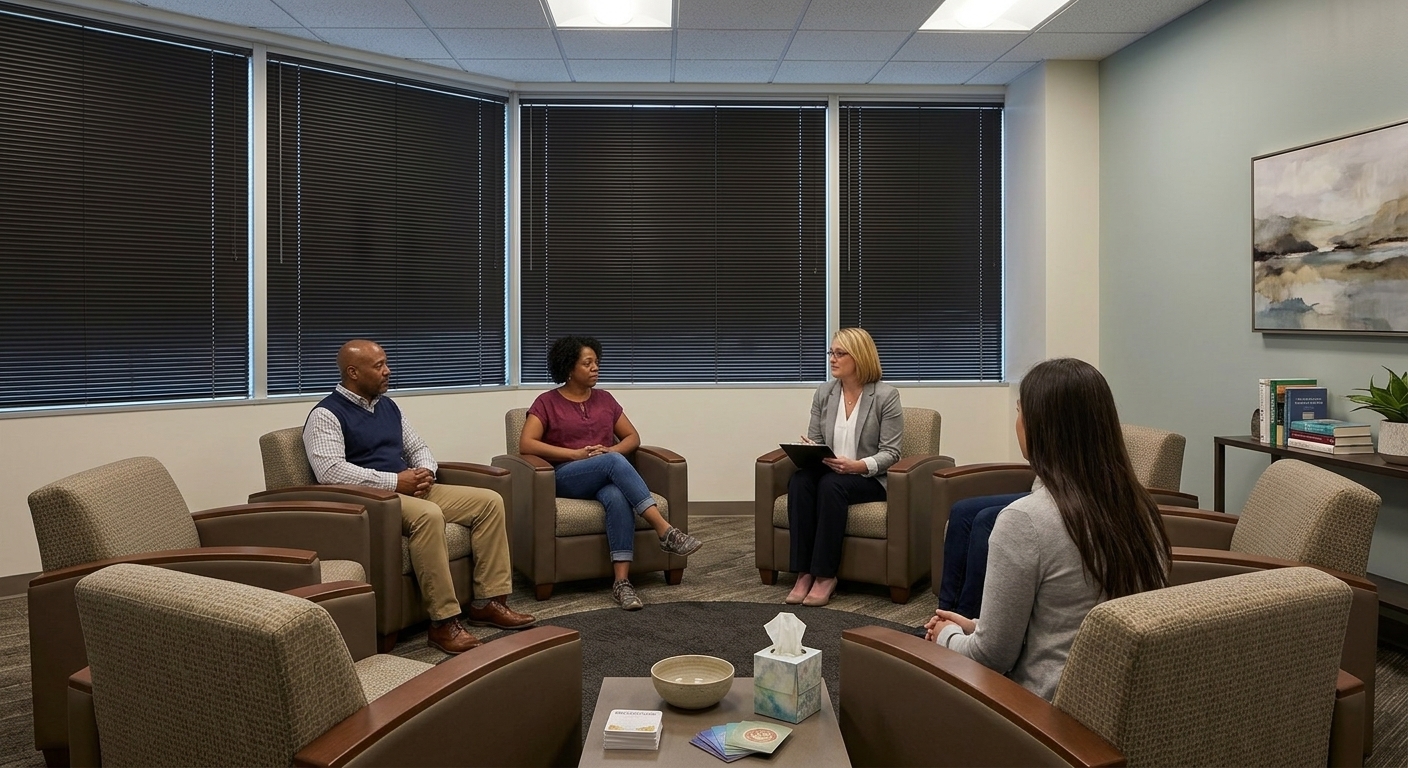
So here's the deal. If you're seeking treatment to rebuild something real, that's great. Just don't treat every facility like it's vetted. Every program should have oversight. Every staff member needs qualifications. And every recovery decision should be grounded in whether the center is licensed — not just how it looked on Google.
What BHA Licensing Actually Means
Nine times out of ten, people don't know what the Behavioral Health Administration does. It's the regulatory body in Colorado that oversees substance use and mental health facilities. BHA licensing isn't a rubber stamp — it's proof that a center meets state standards for safety, ethics, staff training, and treatment quality.
But if that license is missing? Different story. Unlicensed centers can operate without accountability, especially if they're not flagged by the state or reported by patients. We've seen this play out in real time with facilities that promise results but deliver chaos. Plenty of families thought credibility was a given — it wasn't. And when oversight gets skipped, the consequences can be devastating unless you verify credentials upfront.
Why State Oversight Protects You
You can't assume a facility is safe just because it has a website. But licensing? That's often a guarantee. The BHA generally requires centers to meet strict benchmarks for care, staffing, and operations.
Here's where that matters most:
- Quality standards are enforced through regular inspections and compliance checks, not just initial approval
- Staff qualifications are verified, meaning therapists and counselors hold proper credentials and ongoing training
- Patient safety protocols cover everything from emergency procedures to medication management and confidentiality
- Evidence-based treatment is prioritized, so you're not subjected to unproven or harmful methods
- Financial transparency is required, which helps prevent fraudulent billing or exploitation of vulnerable individuals
The Dangers Unlicensed Facilities Pose
Want to trust a treatment center? You'll need to prove it's licensed — and that it's accountable to the state.
The BHA has three main checkpoints:
- The facility had a legal obligation to meet state standards
- Staff intended to provide ethical, competent care
- The center maintained a formal relationship with regulatory bodies, not just a handshake or self-certification
Fail one of those, and the safety net falls apart. Even if the center technically has a physical location. And if any of the staff lack proper credentials? That portion of your care is compromised too. No partial trust for a facility that cuts corners, even if their marketing looks polished.
Insurance and Funding Require Verification
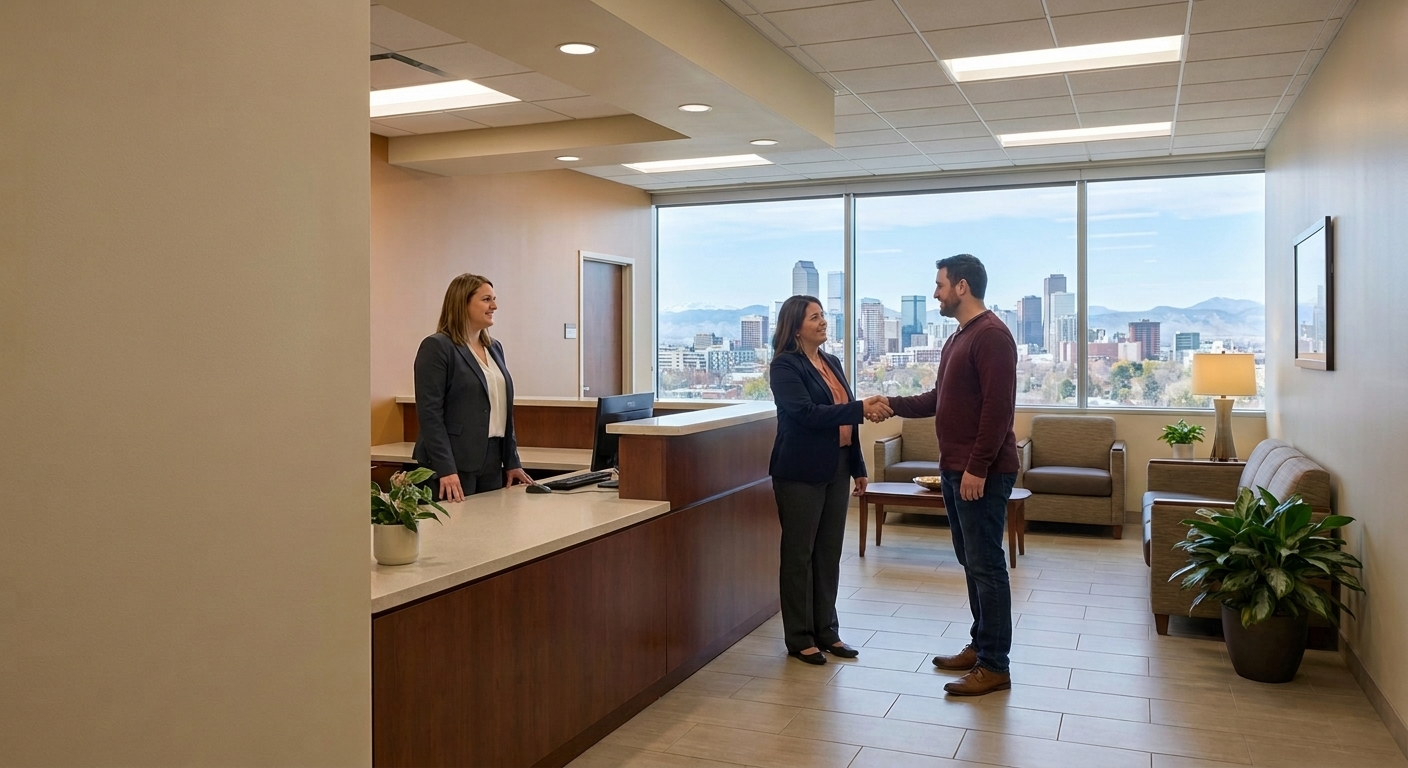
If you're planning to use insurance or state assistance to cover treatment costs, there's a ceiling on what unlicensed centers can offer. Most insurers and government programs require BHA licensing before they'll approve claims.
You'll need to verify credentials and run the numbers to see what gets covered. Most individuals and families won't risk paying out of pocket for unlicensed care — but those who do need to be prepared. Especially if they're relying on financial aid or sliding scale fees.
Your Recovery Is Only As Good As Your Research
Want to ensure quality care? Do your homework. You'll need more than a few testimonials to back up your choice.
Here's what your verification should include:
- The facility's BHA license number, confirmed through the Colorado Department of Human Services database
- Proof of accreditation from recognized organizations like CARF or The Joint Commission
- Staff credentials and certifications, available upon request
- Evidence of compliance with state regulations — inspection reports, violation history, etc.
If red flags appear, don't just take the center's word for it. Mixing licensed and unlicensed services is one of the fastest ways to compromise your recovery. So if that program you're considering has gaps in oversight, you'd better have a backup plan.
Where Most People Go Wrong
Trying to pick a center based on price alone or flashy promises? The state won't find that wise. Sloppy vetting can cost you real progress or even raise safety concerns. Most families play it safe by using official databases or bringing in a healthcare advocate — and plenty stay on track by following best practices for choosing behavioral health treatment.
Licensing Isn't Optional for Peace of Mind
Seeking treatment isn't the hard part. Choosing the right facility — and defending that choice when outcomes matter — that's where people get caught off guard. There's no excuse for skipping verification when the protections are there for the taking. But there's also no safety net when you ignore the rules.
BHA licensing isn't just a bureaucratic hoop. It's a safeguard for quality, accountability, and ethical care. If you're planning your next step toward recovery, verify credentials upfront. The difference between a licensed center and an unlicensed one could define your entire experience — and your future.
At Over the Rainbow Project, we understand that choosing the right treatment center is one of the most important decisions you'll make. Our facility is fully licensed and committed to providing comprehensive services that meet the highest standards of care. Whether you're seeking substance recovery support, individual sessions, or life skills training, our team is here to support your journey. Ready to take the next step? Book an appointment with us today and experience the difference that licensed, compassionate care can make.
Let’s Take the Next Step Together
We know how important it is to find a treatment center you can trust, and we're here to help you move forward with confidence. If you have questions or want to talk through your options, give us a call at 720-580-2696. When you’re ready to start your journey, you can book an appointment and let’s work together toward lasting recovery.
‹ Back
Recent Posts
-
-
-

-

Can Recovery Coaching in Denver Help You Stay on Track?
April 17, 2026
-

Is Outpatient Rehab in Denver the Right Fit for You?
April 3, 2026