

By using our website, you agree to the use of cookies as described in our Cookie Policy
How Job Readiness Programs in Denver Support Long Term Stability
Most people think job readiness programs are just about landing that first paycheck. Show up, polish the resume, shake some hands. But the organizations running these programs in Denver see something bigger — and if you're not paying attention, you're missing the whole point. Getting hired is one thing. Staying employed, advancing, building something that lasts? That's where the real work begins.
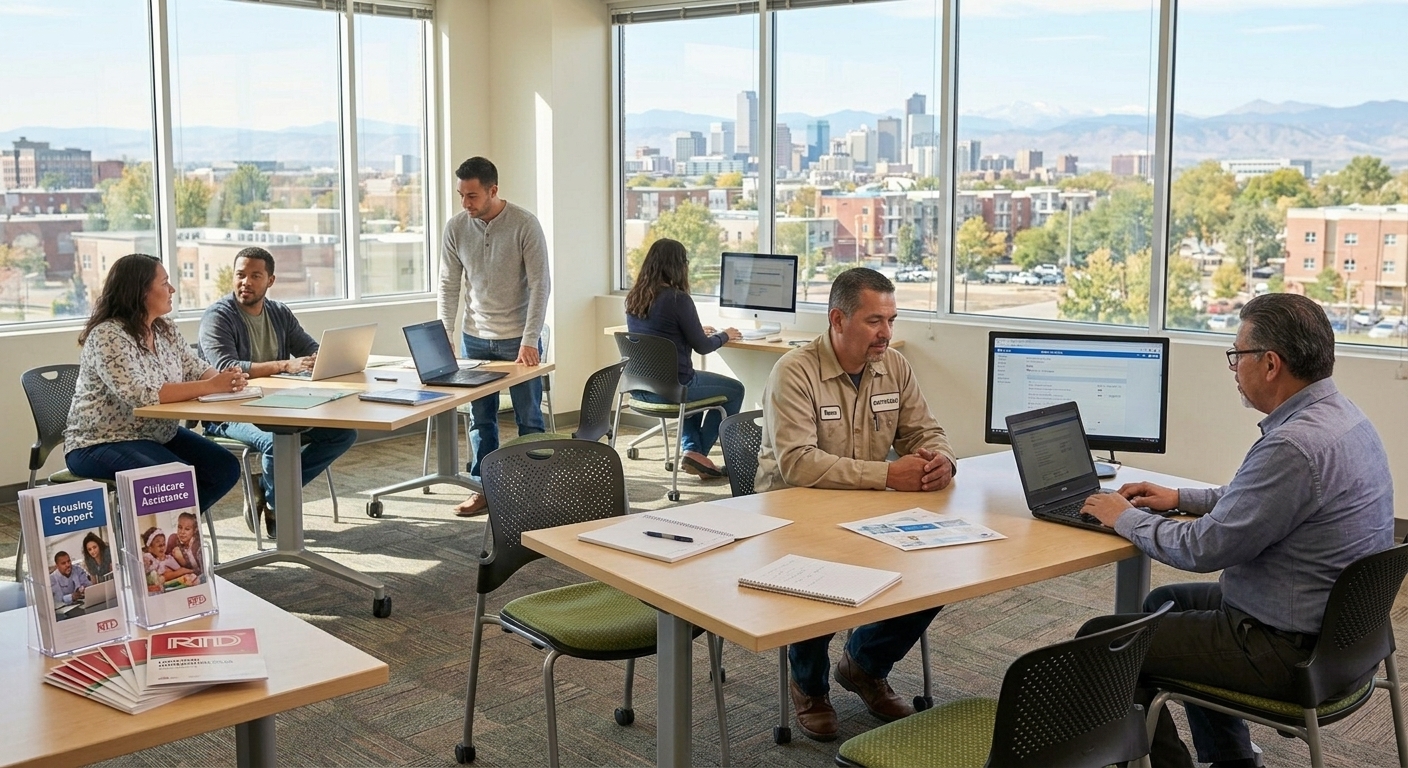
So here's what matters. If you're stepping into one of these programs looking for a quick fix, you'll get some tools. But if you're ready to commit to the process — to show up, learn the systems, and apply what you're taught — you're setting yourself up for stability that goes way beyond the next six months. Every skill you build should have a purpose. Every connection you make needs follow-through. And every decision about your career should be grounded in where you want to be five years from now, not just where you need to be next week.
Skills That Actually Translate to Paychecks
You can't just walk into an interview with good intentions and expect an offer. Employers want proof you can do the work — and Denver's job readiness programs are built around giving you that proof. We're talking digital literacy, communication under pressure, time management when things get chaotic, and problem-solving that doesn't fall apart the second something goes sideways.
But it doesn't stop at soft skills. Plenty of programs offer certifications in healthcare, construction, IT, and other fields where demand is high and wages are real. Organizations like Workforce Denver and Mile High United Way design their training around what local employers actually need. That means when you finish, you're not just ready to work — you're competitive. And competition is what keeps you employed when the market shifts.
One Size Fits Nobody
Cookie-cutter advice doesn't cut it when everyone's starting from a different place. That's why the best programs in Denver offer personalized coaching, one-on-one mentorship, and career counseling that's tailored to where you are and where you're trying to go. You get help identifying strengths you didn't know you had, setting goals that make sense for your situation, and building a plan that's actually doable.
Mentorship changes the game. Experienced professionals volunteer their time to walk you through the process, give you honest feedback, and keep you accountable. That kind of support doesn't just help you land a job — it helps you navigate the workplace once you're in it. Dealing with a difficult manager? Figuring out how to ask for a raise? Your mentor's been there. And that guidance sticks with you long after the program ends.
The Barriers Nobody Talks About
Getting hired is hard enough. Staying hired when you don't have reliable transportation, affordable childcare, stable housing, or even internet access? That's a whole different level of difficulty. Denver's job readiness programs know this, and the good ones don't pretend those barriers don't exist. They address them head-on with wraparound services that connect you to the resources you need.
Here's what that looks like in practice:
- Transportation vouchers so you can actually get to work on time
- Childcare assistance so you're not choosing between a shift and your kid's safety
- Housing referrals when instability threatens everything else
- Access to computers and internet for applications, virtual interviews, and ongoing training
- Connections to legal aid, financial counseling, and other support services that keep life from derailing your progress
These aren't extras. They're essentials. And without them, even the best job training in the world won't lead to long-term stability.
Confidence Isn't Optional
You can have every skill on paper and still bomb an interview if you don't believe you belong there. Job readiness programs in Denver spend real time building confidence — not the fake kind that crumbles under pressure, but the earned kind that comes from preparation, practice, and proof that you can do the work.
Mock interviews, group workshops, peer feedback, and success stories from people who've been where you are — all of it adds up. You start to see yourself differently. And when you walk into that interview or show up for your first day, you're not faking it. You know what you bring to the table. That shift in mindset is what separates people who get hired from people who get hired and stay hired.
Beyond the First Job
Landing a job is the beginning, not the finish line. The programs that really move the needle in Denver don't disappear the second you get an offer. They stick around. They offer advanced training, networking events, and help with pursuing further education or certifications. They check in. They keep the door open.
That ongoing support is what turns an entry-level position into a career. You're not stuck in the same role five years later because you didn't know how to move up. You've got a roadmap, connections, and the skills to keep climbing. And that's what long-term stability actually looks like — not just a paycheck, but a trajectory.
What Happens When You Don't Track Progress
Want to know if a program is working? You need to measure it. Not just how many people got hired, but how many are still employed six months later, a year later, five years later. Are they advancing? Are they earning more? Are they stable?
The best programs in Denver track these outcomes and adjust their approach based on what the data shows. They don't just celebrate placements — they dig into retention, wage growth, and career progression. Because if people are churning through jobs every few months, the program isn't solving the problem. It's just putting a Band-Aid on it.
Where Most Programs Fall Short
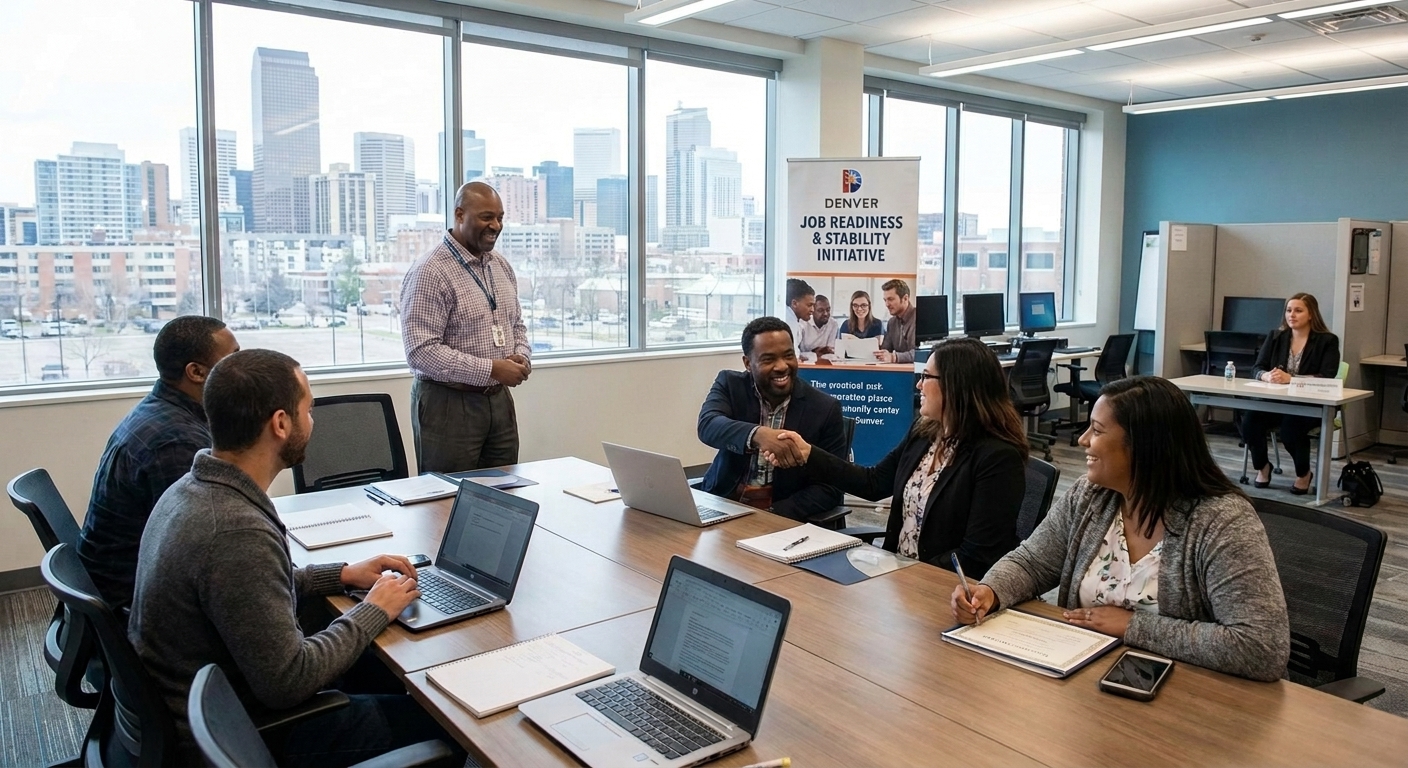
Not every job readiness program is built the same. Some focus too much on the front end — resume workshops and interview prep — without addressing what happens after you're hired. Others offer great training but no support for the barriers that keep people from showing up in the first place. And plenty just don't have the funding or infrastructure to provide the kind of wraparound services that actually make a difference.
Here's what separates the strong programs from the weak ones:
- They offer both hard skills and soft skills training, not just one or the other
- They provide personalized support, not generic advice
- They address barriers like transportation, childcare, and housing
- They stay connected with participants after placement
- They track long-term outcomes and adjust based on results
If a program isn't checking those boxes, it's not setting people up for long-term stability. It's just moving them through the system.
The Ripple Effect Across Denver
When job readiness programs work, the impact goes way beyond the individual. Employed residents spend money in their communities. They support local businesses. They're less likely to need emergency services or public assistance. They're more likely to volunteer, vote, and invest in the future of the city.
That creates a cycle. As more people achieve stability, the demand for crisis intervention drops. Resources can be redirected to prevention, education, and infrastructure. The whole city gets stronger. And that's not just good for the people who went through the programs — it's good for everyone.
When to Get Serious About Your Next Move
If you're thinking about enrolling in a job readiness program, don't wait until you're desperate. The best time to start is when you've got the mental space to commit, the willingness to show up consistently, and the clarity to know what you're working toward. These programs aren't magic. They're structured, they're demanding, and they require follow-through.
But if you're ready to put in the work, the payoff is real. You'll walk away with skills that employers value, connections that open doors, and the confidence to keep moving forward even when things get hard. That's not just a job. That's a foundation. Organizations offering life skills training and case management provide the comprehensive support needed to navigate both personal and professional challenges. Access to behavioral health services ensures that mental wellness is prioritized alongside career development, creating a holistic path to stability.
Building Careers That Last
Job readiness programs in Denver aren't handing out shortcuts. They're handing out tools — and it's up to you to use them. The difference between someone who lands a job and someone who builds a career comes down to preparation, persistence, and the willingness to keep learning long after the program ends. There's no excuse for skipping the hard parts when the support is there for the taking. But there's also no guarantee if you're not willing to show up and do the work. At the end of the day, stability isn't something that happens to you. It's something you build, one decision at a time, with the right resources and the right mindset backing you up.
Ready to Take the Next Step?
We know that building a stable future takes more than just a resume—it takes real support, practical skills, and a team that believes in your potential. If you're ready to invest in yourself and want guidance that goes beyond the basics, let's connect and make your next move count. Call us at 720-580-2696 or book an appointment to start your journey toward lasting career success.
‹ Back
Recent Posts
-
-
-

-

Can Recovery Coaching in Denver Help You Stay on Track?
April 17, 2026
-

Is Outpatient Rehab in Denver the Right Fit for You?
April 3, 2026