

By using our website, you agree to the use of cookies as described in our Cookie Policy
Is Telehealth Psychiatry in Denver Easier for Busy Schedules?
Most people think mental health care is about showing up. Finding a parking spot, sitting in a waiting room, carving out two hours you don't have. But the reality is changing fast — and if you're still stuck on the old model, you're missing what matters. Telehealth psychiatry isn't just a workaround. It's a shift in how care gets delivered, and for Denver residents running full schedules, it might be the only thing that actually works.

So here's what we know. If you're balancing deadlines, kids, commutes, and everything else life throws at you, traditional appointments can feel impossible. Telehealth removes the friction. You get the same licensed professionals, the same quality of care — just without the logistical nightmare. Every session happens where you are. Every minute saved is a minute you get back.
When Geography Stops Mattering
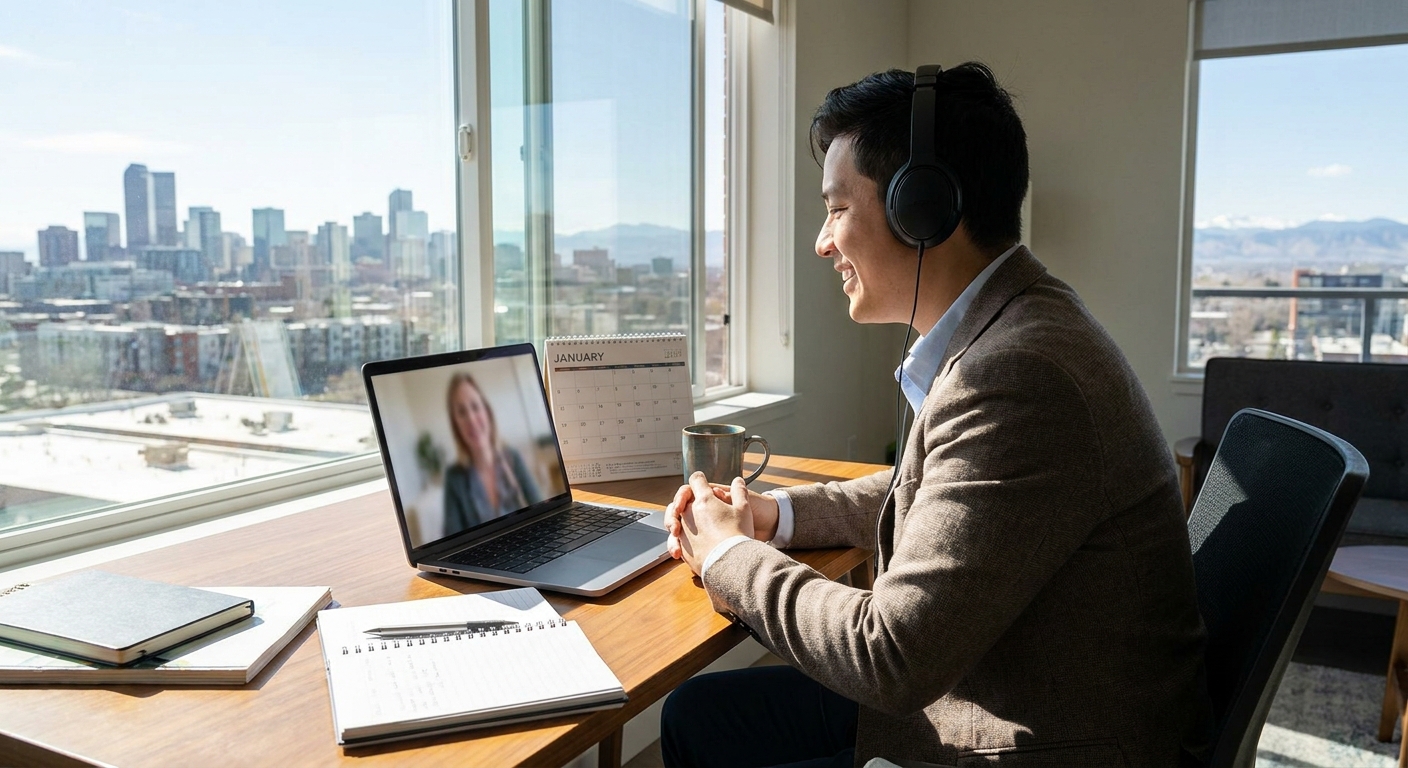
Denver sprawls. Traffic crawls. Weather changes by the hour. Getting across town for a 3 p.m. appointment can mean leaving work early, hitting I-25 at the worst time, and hoping you make it before the session gets cut short. Telehealth flips that script entirely. You're not bound by location anymore — just a stable connection and a quiet space.
That opens doors for people who live outside the city center, work unpredictable hours, or simply can't afford the time it takes to physically show up. We've seen parents attend sessions during nap time. Night-shift workers log in before their first shift. Remote employees fit care into lunch breaks without anyone noticing. The flexibility isn't a perk — it's the entire point.
Appointment Windows That Actually Fit
Traditional psychiatry operates on clinic hours. You work around their schedule, not yours. Telehealth providers in Denver are increasingly offering evening slots, early morning options, and weekend availability. That's not just convenient — it's survival for anyone juggling more than one priority.
And because you're not losing time to travel, a 50-minute session stays a 50-minute session. No buffer for parking. No stress about running late. You click in, do the work, and move on. That efficiency compounds over time, especially when you're managing ongoing treatment or regular check-ins.
Privacy on Your Terms
Walking into a behavioral health clinic can feel exposing. Someone might see you. You might run into a coworker. There's a stigma some people can't shake, even when they know better. Telehealth strips that away. You control the environment. You choose where the session happens and who knows about it.
For professionals worried about workplace perception or parents who don't want to explain every appointment, that discretion matters. The platforms themselves are encrypted and HIPAA-compliant, so your data stays locked down. But the real privacy comes from being able to access care without broadcasting it to the world.
Why Some People Still Hesitate
Telehealth isn't perfect for everyone. If your internet is spotty or you share a small space with no privacy, virtual sessions can feel clunky. Some individuals prefer face-to-face interaction, especially during initial evaluations or crisis moments. And not every condition or treatment plan translates seamlessly to a screen.
But most Denver providers now offer hybrid models. You can start in person, switch to virtual, or mix both depending on what's working. That adaptability means you're not locked into one format. You get to build a care plan that actually fits your life, not the other way around.
What Makes Denver's Telehealth Scene Stand Out
Denver has a robust network of licensed psychiatrists offering virtual care. The city's tech infrastructure supports reliable video platforms, and the provider base is growing to meet demand. That means shorter wait times, more options, and less gatekeeping.
Here's what sets telehealth apart in this market:
- Expanded provider access beyond your immediate neighborhood
- Reduced wait times compared to in-person-only practices
- Insurance coverage that increasingly includes telehealth visits
- Flexible scheduling that accommodates non-traditional work hours
- Continuity of care even when you're traveling or relocating
Insurance and Cost Realities
Most major insurers now cover telehealth psychiatry the same way they cover in-person visits. That includes Medicare, Medicaid, and private plans. But coverage details vary, so it's worth checking your specific benefits before booking. Some providers also offer sliding scale fees or accept HSA/FSA payments.
The cost difference isn't always dramatic, but you do save on indirect expenses — gas, parking, lost wages from taking time off work. Over months or years of treatment, those savings add up. And for people without insurance, telehealth can sometimes be more affordable because overhead costs are lower.
What to Expect During Your First Virtual Session
Your first telehealth psychiatry appointment typically mirrors an in-person intake. You'll discuss your history, current symptoms, and treatment goals. The psychiatrist will assess your needs and recommend a plan, which might include medication, therapy, or a combination.
Here's what you'll need to make it work:
- A device with a camera and microphone — laptop, tablet, or smartphone
- Reliable internet connection to avoid dropped calls
- A private space where you can talk freely
- Your insurance information and any relevant medical records
- A list of current medications or supplements you're taking
When Telehealth Becomes the Long-Term Solution
Some people use telehealth as a stopgap until they can get in-person care. Others realize it's the better fit and stick with it. For ongoing medication management, follow-up appointments, or stable conditions, virtual sessions often work just as well — and sometimes better — than traditional visits.
If you're managing anxiety, depression, ADHD, or other conditions that don't require hands-on physical exams, telehealth gives you consistency without the logistical drain. You can see the same provider every time, build rapport, and maintain momentum without the friction that derails so many treatment plans.
Red Flags and When to Push Back
Not every telehealth provider operates the same way. Some are thorough and responsive. Others treat sessions like a prescription mill. If your psychiatrist rushes through appointments, doesn't ask follow-up questions, or pushes medications without exploring alternatives, that's a problem.
Here's what good telehealth psychiatry looks like:
- Thorough intake and ongoing assessment
- Clear communication about treatment options and risks
- Availability for follow-up questions or adjustments
- Coordination with your primary care provider or therapist
- Respect for your time and concerns
How to Choose the Right Provider
Denver has plenty of options, but not all of them will be the right match. Start by checking credentials — you want a board-certified psychiatrist, not someone with vague qualifications. Look for reviews, ask about their approach, and make sure they accept your insurance or offer transparent pricing.
Also consider their platform. Is it easy to use? Can you message between sessions if something comes up? How quickly can they schedule your first appointment? These details matter more than you think, especially when you're trying to fit care into an already packed schedule.
What Happens When You Travel or Move
One underrated benefit of telehealth psychiatry is portability. If you're in Denver today but might relocate next year, you can often keep the same provider. Some psychiatrists are licensed in multiple states, which means continuity even if your address changes.
For frequent travelers, telehealth eliminates the need to skip appointments or scramble to find temporary care. You log in from wherever you are, keep your treatment on track, and avoid gaps that can set you back.
The Documentation You Should Keep
Just like any medical care, you'll want records. Save appointment summaries, prescription details, and any treatment plans your psychiatrist provides. If you ever switch providers or need to coordinate with another specialist, having that documentation ready makes the transition smoother.
Most telehealth platforms let you download session notes or request copies. Take advantage of that. It's your care, your data, and you should have full access to it.
Why Busy Schedules Benefit Most
If your calendar is already maxed out, telehealth psychiatry isn't just easier — it's the difference between getting care and skipping it altogether. We've watched people go years without treatment because they couldn't find the time. Then they try one virtual session and realize the barrier was never the care itself — it was the logistical burden wrapped around it.
Here's why it works for the time-strapped:
- No commute means more flexibility in scheduling
- Sessions fit into lunch breaks, early mornings, or evenings
- Reduced need to explain absences or rearrange obligations
- Consistent care even during hectic seasons
- Less burnout from managing the logistics of treatment
Making the Call
Telehealth psychiatry in Denver works because it meets people where they are — literally and figuratively. It removes the friction that keeps busy schedules from turning into healthy routines. The care is real, the providers are licensed, and the results speak for themselves when someone finally gets the help they've been putting off.
If you've been waiting for the right time to prioritize your mental health, this might be it. The barriers are lower than they've ever been. The options are better. And the schedule you're protecting so carefully will only benefit when you're actually taking care of yourself. Over the Rainbow Project offers comprehensive MAT psychiatric services, individual sessions, case management, and substance abuse support tailored to fit your life. Make the call, book an appointment, and see what happens when treatment stops being a logistical nightmare and starts being part of the routine.
Let's Make Mental Health Care Work for Us
We all deserve support that fits into our lives, not the other way around. If you're ready to experience the freedom and flexibility of telehealth psychiatry in Denver, let's take the next step together. Call us at 720-580-2696 to talk through your options, or book an appointment and let’s get you on the path to care that truly works for your schedule.
‹ Back
Recent Posts
-

Can Job Readiness Programs in Denver Help After Rehab?
November 11, 2026
-

Is Telehealth Psychiatry in Denver Easier for Busy Schedules?
October 28, 2026
-

Can Recovery Coaching in Denver Help After a Relapse?
October 14, 2026
-
-