


By using our website, you agree to the use of cookies as described in our Cookie Policy
Can Recovery Coaching in Denver Help After a Relapse?
Most people think a relapse is the end of the road. A complete reset. A failure that wipes out all the work they've put in. But that's not how recovery actually works — and if you believe that narrative, you're setting yourself up for worse. Relapse isn't proof you're broken. It's data. It shows where the plan cracked, where the triggers still live, and what kind of support wasn't there when it mattered most.
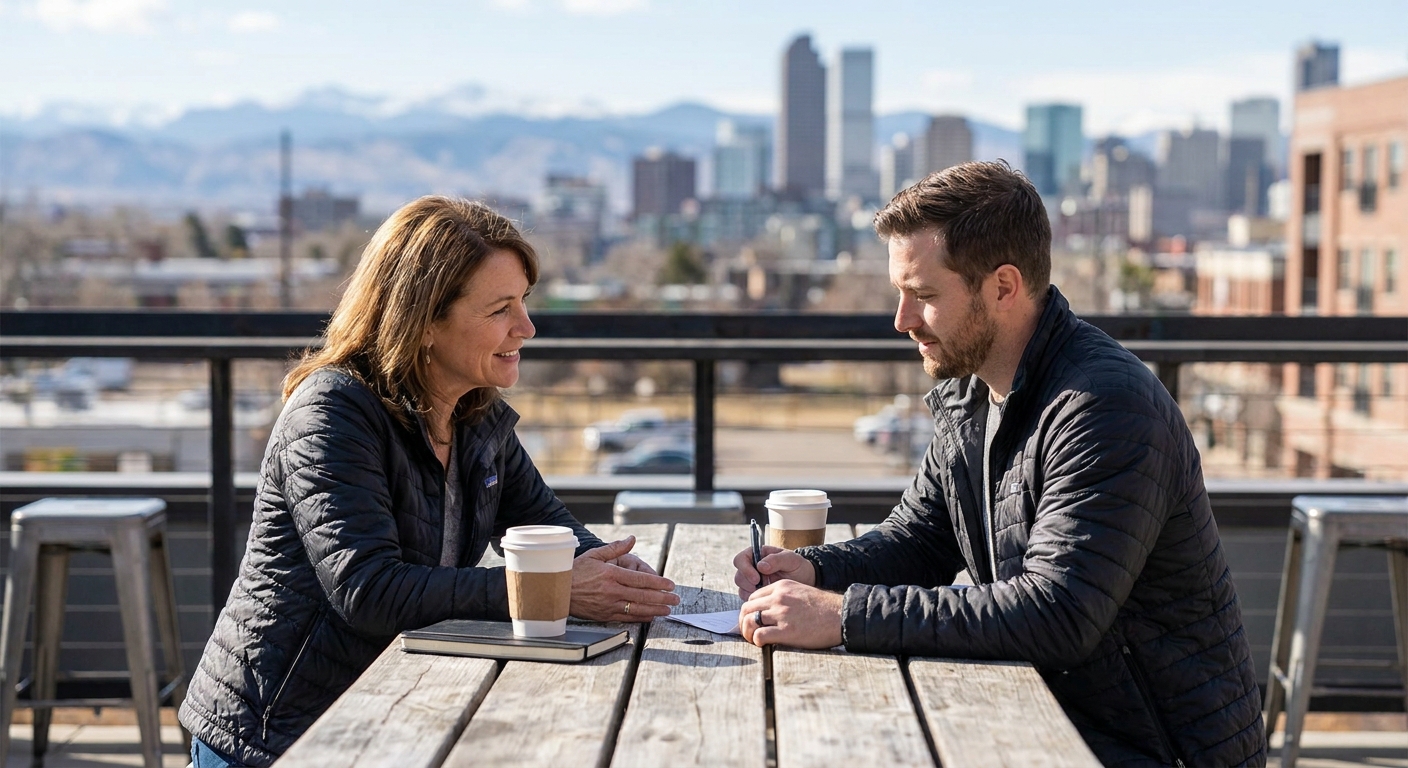
So here's what we know. If you're stumbling after months or even years of sobriety, that's hard — but it's not hopeless. Recovery coaching exists for exactly this moment. Not to judge. Not to lecture. But to help you rebuild with sharper tools and a clearer map than you had before.
When You Fall Off, You Need More Than Motivation
Everyone wants to think willpower is enough. Just try harder. Stay stronger. But relapse doesn't usually happen because someone gave up — it happens because the foundation wasn't deep enough to handle the weight. Stress builds. Isolation creeps in. Old coping patterns resurface. And suddenly, the thing you swore you'd never do again is the only thing that feels familiar.
That's where recovery coaching steps in. It's not therapy. It's not medical treatment. It's peer-based support from someone who's been in the same place and knows what the climb back looks like. Coaches help you spot what went sideways, what needs reinforcing, and how to move forward without dragging the shame along with you.
What Recovery Coaches Actually Do
A recovery coach isn't there to fix you or diagnose you. They're there to walk alongside you while you rebuild. They ask the right questions. They hold you accountable without making you feel small. And they help you see patterns you might be too close to notice on your own.
In Denver, recovery coaches often work with people at every stage — including those who just relapsed and don't know where to start. The relationship is built on trust, not credentials. And the goal isn't perfection. It's progress that sticks.
Why This Kind of Support Works After a Slip
After a relapse, most people feel two things fast. Shame and isolation. Both of them make recovery harder. Substance abuse support cuts through that by offering something clinical programs sometimes miss — human connection without the clinical distance.
Here's what makes it different:
- You're talking to someone who gets it, not someone reading from a manual
- There's no judgment attached to the setback — just a focus on what comes next
- You get help building a personalized plan that fits your actual life, not a textbook version of recovery
- Coaches connect you to local resources in Denver you might not know exist
- They help you reframe relapse as part of the process, not proof that you failed
The Denver Advantage
Denver has a strong recovery community. Support groups, treatment centers, sober events — it's all here. But knowing where to go and who to trust isn't always obvious, especially if you're trying to get back on your feet after a relapse.
That's where local recovery coaches make a real difference. They know the landscape. They've worked with the resources. And they can help you navigate what's available without wasting time or energy on dead ends.
- Coaches understand Denver's recovery ecosystem and can point you toward the right fit
- They help you tap into community support that feels genuine, not forced
- Sessions can happen in person, over the phone, or online — whatever works for your schedule
- You're not locked into a rigid program structure that doesn't match your reality
Accountability That Doesn't Feel Like Punishment
One of the biggest risks after a relapse is drifting. No plan. No check-ins. No one asking the hard questions. Before you know it, days turn into weeks and the pattern solidifies again.
Recovery coaches keep that drift from happening. They don't micromanage. They don't scold. But they do follow up. They ask what you committed to and whether it happened. And if it didn't, they help you figure out why — without making you feel like a screw-up.
- Regular check-ins keep you focused and moving forward
- Coaches help you set goals that are realistic, not aspirational nonsense
- When you fall short, the conversation is about adjusting the plan, not proving you tried hard enough
- You learn to track your own progress in ways that actually mean something
Building a Plan That Fits Your Life
Cookie-cutter recovery programs assume everyone relapses for the same reasons. They don't. Your triggers, your stressors, your support gaps — those are yours. A recovery coach helps you map them out and build a strategy that addresses your specific weak points.
Maybe you relapsed because work stress spiked and you didn't have a healthy outlet. Maybe isolation crept in after you stopped going to meetings. Maybe a relationship blew up and you didn't have anyone to call. Whatever the cause, a coach helps you identify it and plug the hole before it opens again.
- You get a recovery plan built around your actual life, not a generic template
- Coaches help you spot warning signs before they turn into full-blown relapse
- They teach you how to build a support network that's there when things get hard
- You learn coping skills that work for you, not just what worked for someone else
- The focus stays on long-term stability, not just short-term sobriety
When to Reach Out
If you've relapsed and you're not sure what to do next, waiting won't make it easier. The longer you sit in the guilt and confusion, the harder it gets to take the first step. Intensive outpatient programs and case management services give you a way back that doesn't require you to have all the answers upfront.
You don't need to be perfect to start. You just need to be willing to try again — and this time, with behavioral health support and life skills training in your corner.
Recovery Doesn't Reset to Zero
Relapse feels like starting over. But it's not. The work you did before still counts. The skills you learned are still there. What you need now is sharper strategy and stronger backup. Recovery coaching in Denver gives you both — without the shame, without the lectures, and without pretending the setback didn't happen. It did. And now we move forward with better tools and a clearer picture of what it takes to stay upright when life gets heavy.
Let's Take the Next Step Together
Recovery is a journey, not a straight line, and every step forward matters. If you're ready to rebuild after a relapse, we're here to walk with you and help you find your footing again. Reach out to us at 720-580-2696 or book an appointment so we can support you in creating a plan that truly fits your life.
‹ Back
Recent Posts
-

Can Job Readiness Programs in Denver Help After Rehab?
November 11, 2026
-

Is Telehealth Psychiatry in Denver Easier for Busy Schedules?
October 28, 2026
-

Can Recovery Coaching in Denver Help After a Relapse?
October 14, 2026
-
-